
Anesthesia Mondays
DATE: Individual dates arranged with the lecturer
LOCATION: Warsaw, Klinika Teodorowscy
LECTURER: Dr. Agnieszka Wrzesińska, PhD, DVM
TIME: 9:00 AM – 5:00 AM (lecture session), 9:00 AM – 6:00 AM (practical day)
LANGUAGE: Polish
THE TRAINING CONSISTS OF TWO PARTS:
» A theoretical introduction necessary for working with patients during the practical day — held on Sunday
» Anesthesia procedures performed together with and under the supervision of the anesthesiologist during the practical day
FEES:
Regular price: PLN 3000 net
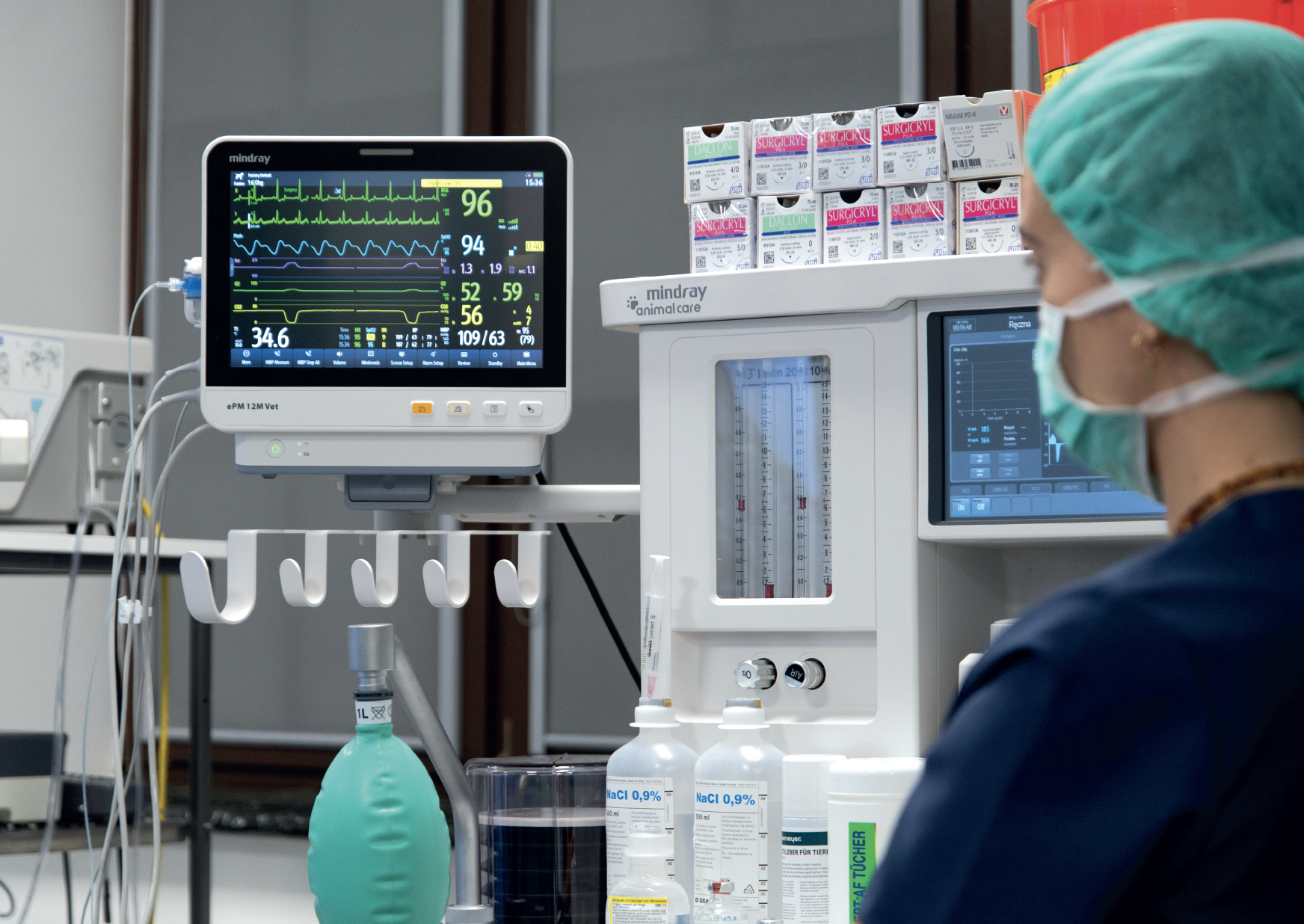
TARGET AUDIENCE: General practice veterinarians who find anesthesia stressful or are taking their first steps in veterinary anesthesiology. During hands-on work with an experienced anesthesiologist, participants will have the opportunity to learn and test different drug combinations and apply both injectable and inhalation anesthesia techniques in clinical practice.
*Limited number of participants

Dr. PhD, DVM
Agnieszka Wrzesińska
A graduate of the Faculty of Veterinary Medicine at the Warsaw University of Life Sciences (SGGW), Class of 2008. Lecturer at the Faculty of Veterinary Medicine, SGGW, Warsaw.
Since 2009, she has been a member of the Association of Veterinary Anesthetists (AVA) and the International Veterinary Academy of Pain Management (IVAPM). In 2009, she completed specialized courses “Basic Principles of Anesthesia” and “Advanced Concepts in Veterinary Anesthesia”, followed in 2010 by “Advanced Concepts in Pain Management” under the guidance of Dr. Mary Ellen Goldberg (Florida, USA).
Her particular interest in the anesthesia of brachycephalic
dogs and cardiac complications during anesthesia in these
breeds led to her doctoral dissertation, which she defended in 2016, earning the title of Doctor of Veterinary Medicine (PhD) in Veterinary Anesthesiology from SGGW.
She is the author of numerous scientific papers and articles in the field of veterinary anesthesiology and intensive care.
OUTLINE PROGRAM
Practical pharmacology of anesthetic and analgesic
agents available in veterinary practice
Patient assessment and preparation before anesthesia
Essential equipment — operation of the anesthesia
machine and breathing systems
Intravenous catheterization and intubation techniques
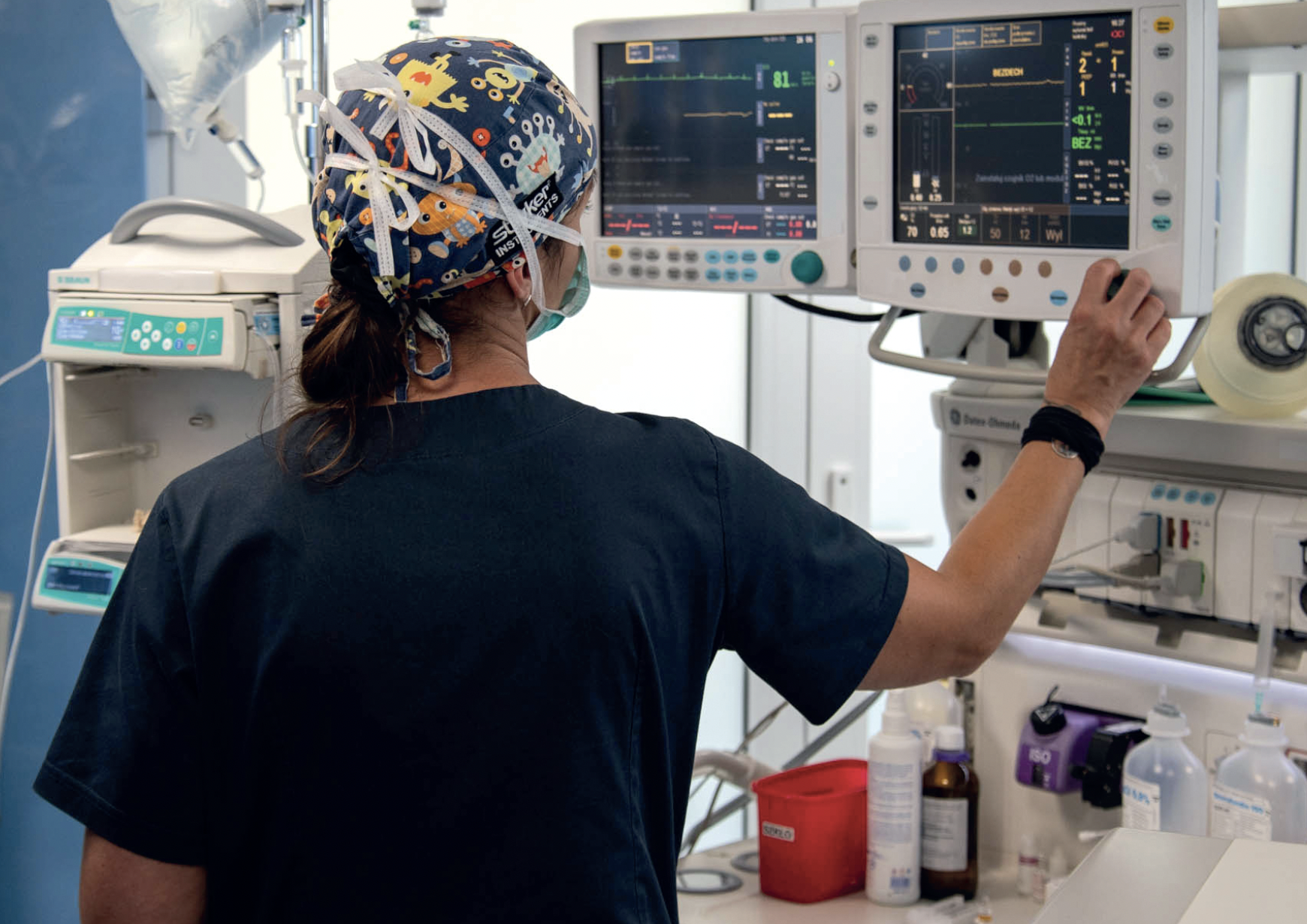
Anesthesia maintenance in practice — monitoring vital
parameters and recognizing abnormalities
Recovery and post-anesthetic care
Pain assessment and analgesic protocols
Complications and emergency situations — the most
common problems, their identification, and response
DURING THE TRAINING YOU WILL:
learn how to safely combine anesthetic and analgesic drugs from different groups
and discover the most commonly used anesthetic protocols — including those
tailored to your own clinical practice
understand the principles of patient monitoring (ECG, SpO₂, capnography, ETCO₂,
temperature, and blood pressure)
explore how to combine inhalation and injectable anesthesia in daily
practice — not only for surgeries but also for minimally invasive diagnostic
procedures — to increase patient safety and your own comfort at work
master correct intubation and extubation techniques
learn how to recognize and interpret abnormal vital signs and become familiar
with response protocols for the most common anesthetic complications
in everyday practice (apnoea, hypotension, arrhythmias)
Sign up for the workshop:
Hosted by:
Klinika Teodorowscy Sp. z o.o.
7 Powstańców Street,
43-180 Orzesze
WORKSHOP VENUE:
Klinika Teodorowscy
28 Maryli Street
02-842 Warszawa